Is Your Child Ready for Braces? Signs Parents Shouldn’t Ignore
Children's Braces: What Parents Need to Know
As a parent, it is natural to wonder whether your child’s smile is developing the way it should. While some orthodontic issues are easy to spot, others can be more subtle and may go unnoticed until they become bigger problems. Knowing the early signs can help you take action at the right time and set your child up for a healthier, more confident smile.
If you have been wondering whether it is time to explore children's braces, here are the signs parents should not ignore.
Do I Need Adult Braces?
Many parents assume braces are only for teenagers, but orthodontic concerns often begin much earlier. In fact, children should usually have an orthodontic evaluation by around age 7. At this age, adult teeth are starting to come in, and an orthodontist can identify bite issues, spacing problems, and jaw development concerns before they worsen.
Early evaluation does not always mean your child will need braces right away. However, it does help catch issues early and create a treatment plan if needed.
Signs Your Child May Be Ready for Braces
1. Crowded or Crooked Teeth
One of the most common signs is visible crowding or crooked teeth. If your child’s teeth overlap, twist, or seem to compete for space, it may be a sign that their mouth does not have enough room for proper alignment. Crowded teeth are not just a cosmetic concern. They can make brushing and flossing harder, which may increase the risk of cavities and gum problems.
2. Gaps Between Teeth
Spacing issues can also signal the need for orthodontic treatment. Large gaps between teeth may happen because of missing teeth, extra space in the jaw, or abnormal tooth development. While some spacing is normal as baby teeth fall out, larger or persistent gaps should be evaluated.
3. Early or Late Loss of Baby Teeth
Baby teeth play an important role in guiding adult teeth into place. If your child loses baby teeth much earlier or later than expected, it can affect how permanent teeth erupt. This may lead to alignment or bite issues that could require children's braces later on.
4. Difficulty Biting or Chewing
Does your child complain about discomfort while eating? Do they avoid certain foods because chewing feels awkward or difficult? Trouble biting or chewing can be a sign that the teeth are not lining up correctly. A misaligned bite can affect not only comfort, but also long-term oral function.
5. Mouth Breathing
Frequent mouth breathing may be linked to jaw development and dental alignment issues. Children who breathe through their mouths often may develop narrow dental arches or changes in facial growth patterns. This is something both a pediatric dentist and orthodontist may want to monitor.
6. Thumb Sucking or Prolonged Pacifier Use
Thumb sucking and pacifier use are common in younger children, but if these habits continue for too long, they can affect the position of the teeth and the shape of the mouth. Prolonged habits may lead to an open bite, protruding front teeth, or other alignment problems.
7. Teeth That Do Not Meet Properly
When your child closes their mouth, do the top and bottom teeth fit together correctly? If the teeth do not meet as they should, or if the jaw seems to shift when closing, there may be a bite issue such as an overbite, underbite, crossbite, or open bite.
These issues often benefit from early orthodontic attention.
8. Jaws That Pop, Shift, or Make Sounds
If your child’s jaw makes clicking or popping sounds, or if it seems to shift when they speak or chew, it could indicate a developing orthodontic or jaw alignment issue. While not every sound is serious, it is worth having it checked out.
9. Frequent Biting of the Cheek or Roof of the Mouth
Children with bite problems may accidentally bite their cheeks, lips, or the roof of their mouth more often than usual. This can be a sign that the teeth and jaws are not aligned properly.
10. Speech Difficulties
Some orthodontic issues can contribute to speech challenges, especially if tooth position affects how sounds are formed. If your child has difficulty pronouncing certain words or sounds, it may be worth discussing with both a speech professional and an orthodontist.
When Should Parents Schedule an Orthodontic Visit?
Even if your child’s teeth look mostly fine, an early consultation can provide peace of mind. An orthodontist can assess whether your child needs treatment now, may need it later, or simply needs routine monitoring as their smile develops.
The goal is not always immediate braces. In many cases, early guidance helps reduce the severity of future issues and can make later treatment simpler and more effective.
What to Expect If Your Child Needs Braces
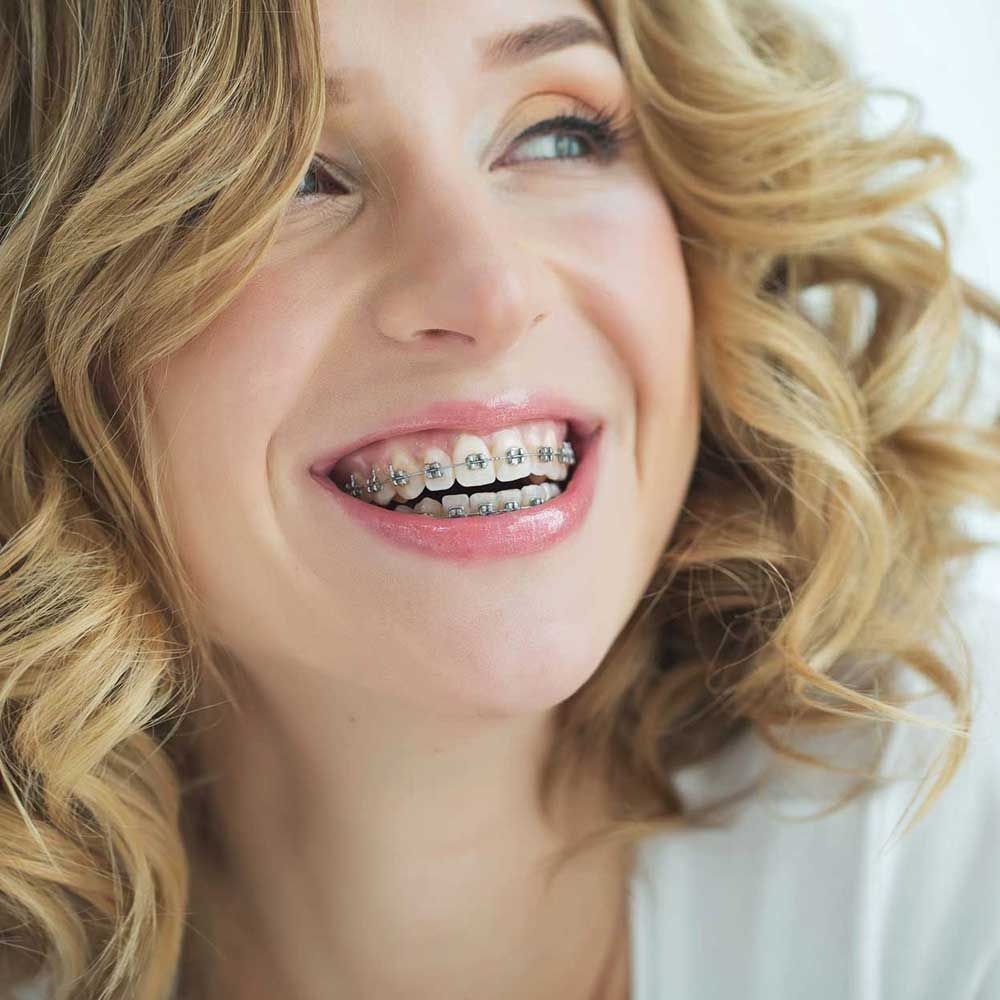
If your orthodontist recommends braces, they will discuss the ideal timing and the most suitable treatment options based on your child’s unique dental needs. Today’s options for braces include traditional metal braces, ceramic braces, and other orthodontic appliances designed to gradually guide teeth and jaw development into proper alignment.
The recommended treatment will depend on several factors, including your child’s age, how their teeth and jaw are developing, and the specific orthodontic issues that need correction. An experienced orthodontist will create a personalized plan to ensure the best possible results for your child’s growing smile.
Taking the Next Step Toward a Better Smile
Every child develops differently, but certain warning signs should not be ignored. Crowding, bite issues, mouth breathing, delayed tooth eruption, and chewing problems can all point to the need for orthodontic care.
By paying attention early, parents can help protect their child’s oral health and confidence for years to come. If you have noticed any of these signs, contact Village Orthodontics to schedule an orthodontic evaluation. We're proud to enhance the smiles of children throughout Fayetteville, NC and the surrounding communities.
A healthy smile starts with early awareness, and in some cases, children's braces can make all the difference.